
Glenville Standing Water Drivers
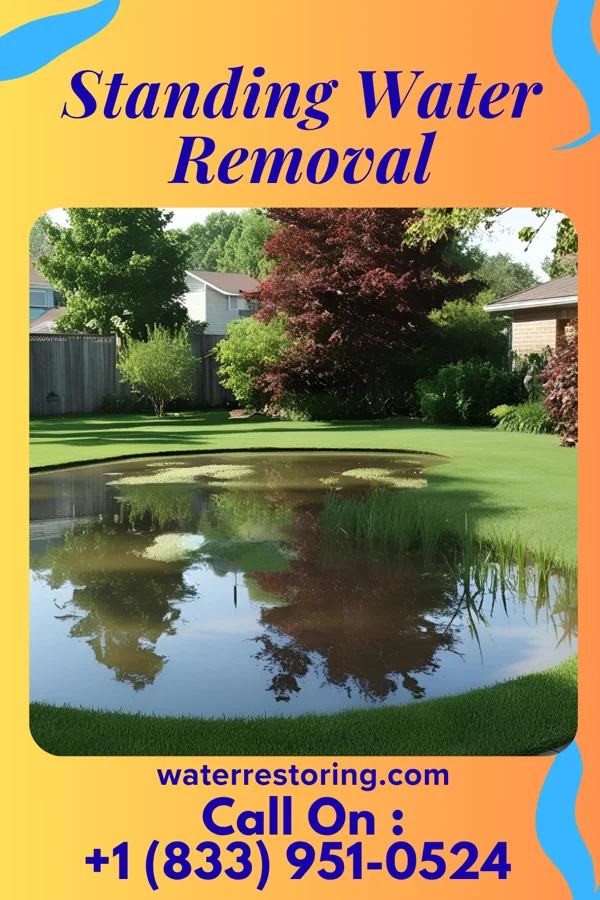
Water damage in Glenville tends to cluster in predictable windows because of the local climate. In Glenville, Connecticut, water damage is most commonly caused by burst pipes, especially during the colder winter months when frozen pipes can lead to sudden leaks. Additionally, heavy rainfall in the nearby Western Connecticut Planning Region can cause localized flooding in lower-lying areas of Glenville, particularly near Rock Ridge and Pemberwick. A close second is Secondary causes include malfunctioning sump pumps, improper drainage around homes, and water infiltration from nearby properties in Rye Brook, NY. Poorly maintained gutters and downspouts can also contribute to water pooling near foundations in Glenville..
Glenville experiences a humid continental climate with significant seasonal variation, which increases the risk of both winter pipe bursts and summer rain-related flooding. The proximity to Rock Ridge and Pemberwick means that regional weather patterns can directly impact water damage incidents in Glenville.
Glenville experiences a humid continental climate with significant seasonal variation, which increases the risk of both winter pipe bursts and summer rain-related flooding. The proximity to Rock Ridge and Pemberwick means that regional weather patterns can directly impact water damage incidents in Glenville. The dominant local driver is In Glenville, Connecticut, water damage is most commonly caused by burst pipes, especially during the colder winter months when frozen pipes can lead to sudden leaks. Additionally, heavy rainfall in the nearby Western Connecticut Planning Region can cause localized flooding in lower-lying areas of Glenville, particularly near Rock Ridge and Pemberwick., with Secondary causes include malfunctioning sump pumps, improper drainage around homes, and water infiltration from nearby properties in Rye Brook, NY. Poorly maintained gutters and downspouts can also contribute to water pooling near foundations in Glenville. showing up as the next most common cause. Damage builds in stages. Spread. Absorption. Microbial growth. Structural compromise. Every stage you pass through adds to the final bill.
For public guidance on the health effects of mold after prolonged water exposure, see the EPA mold and health page.